How to raise newborn puppies without a mother?
Caring for newborn puppies left without a mother is a huge responsibility and hard work that requires round-the-clock attention. In this article, we have gathered basic rules and tips that will help you replace the mother for the puppies and save their lives.
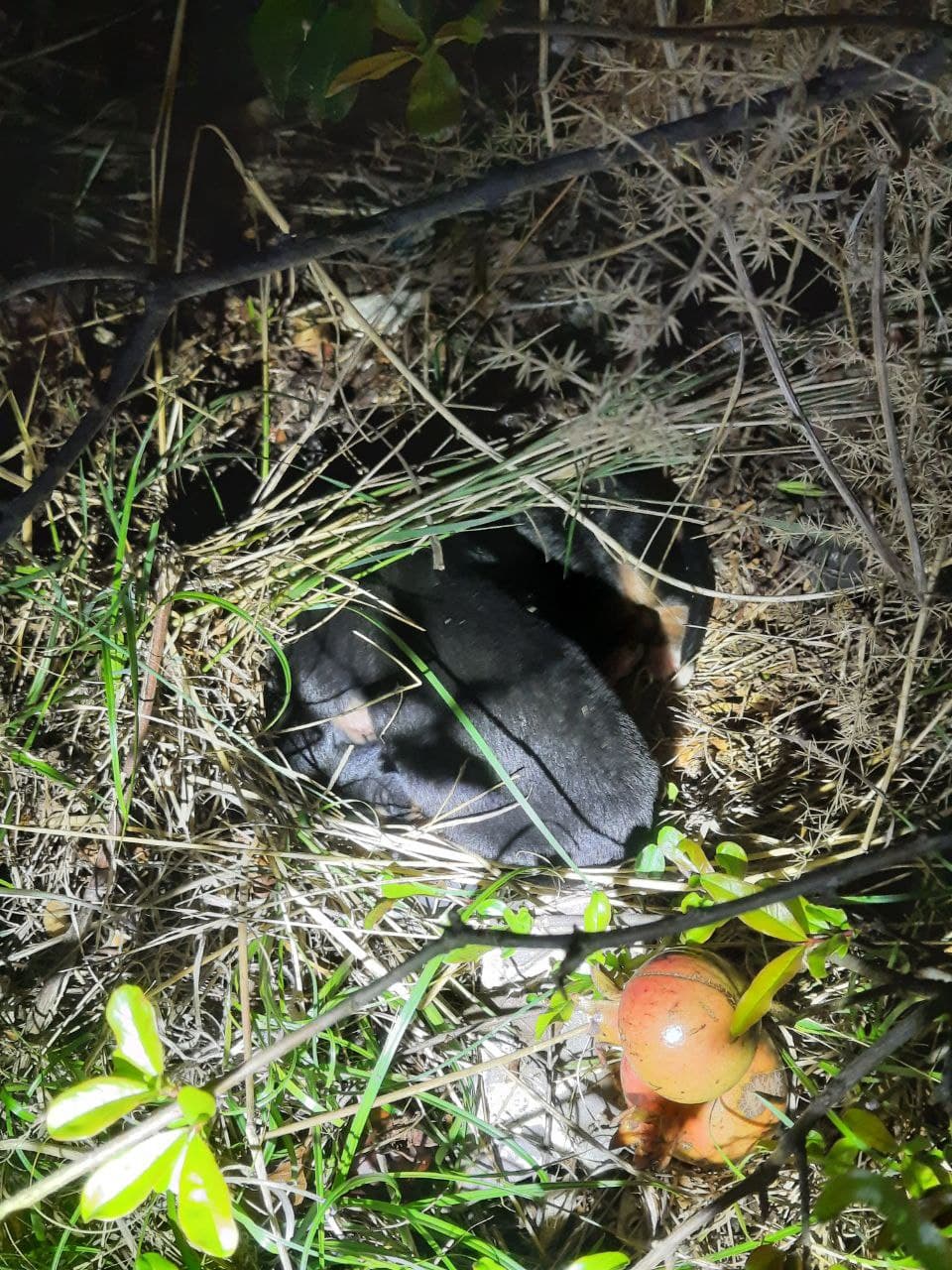
1. How to determine a puppy's age?
If you found a puppy on the street, determining its approximate age will help you choose the right food and care:
- 0-2 weeks: Eyes and ears are tightly closed. The puppy only crawls on its belly and cannot stand.
- 2 weeks: Eyes start to open (initially just narrow slits).
- 3 weeks: Ear canals open, the puppy begins to hear and makes first attempts to stand. First tiny teeth (incisors) start to appear.
- 4 weeks: The puppy stands confidently and begins to walk. Canine teeth appear. They show interest in play and their surroundings.
- 6-8 weeks: A full set of baby teeth (very sharp). The puppy is very active, runs around, and eats solid food.
2. Warmth is Life
Newborn puppies cannot regulate their body temperature. Hypothermia is the most common cause of death in the first few days. Even if the room is warm, puppies need additional heating.
- Set up a "nest" (a box with high sides) and put a warm blanket on the bottom.
- Use a heating pad or bottles with warm water wrapped in a towel. Important: puppies should be able to crawl away from the heat source if they get too hot.
- The temperature in the nest in the first week should be about 30-32°C (86-90°F).
3. Proper Nutrition
Never use cow or goat milk in its pure form — its composition is very different from dog milk and can cause fatal diarrhea or bloating.
- Puppy Milk Replacer (PMR): This is the only safe option. It is sold in veterinary pharmacies (e.g., Beaphar, Royal Canin).
- Tools: Use special bottles with nipples for puppies or a syringe without a needle (drop by drop on the tongue, do not force feed!).
- Feeding Position: A puppy should not be turned on its back like a human baby. It should lie on its tummy with its head slightly raised — this is a natural position that prevents milk from entering the lungs.
4. Feeding Schedule
Little ones should eat often, including at night. Approximate schedule:
- 0-1 week: every 2-3 hours.
- 1-2 weeks: every 3-4 hours.
- 2-3 weeks: every 4 hours.
A full puppy sleeps peacefully. If puppies are constantly squeaking and crawling — they are either hungry or cold.
5. Hygiene and Toileting
Small puppies cannot go to the toilet on their own. The mother dog licks them to stimulate elimination.
- After each feeding, take a warm, damp cotton pad and gently massage the belly and under the tail in a circular motion.
- Do this until the puppy goes to the toilet.
- Keep the puppy's skin clean, wipe it with a damp soft cloth, imitating the mother's licking.
6. Weight Control
Daily weighing is the best way to understand that the puppy is developing correctly and is getting enough nutrition.
- Weigh puppies at the same time (preferably in the morning before feeding) on a kitchen scale.
- Normally, a puppy should gain weight daily.
- No weight gain or weight loss within 24 hours is a warning sign that requires consultation with a veterinarian.
7. Parasites: Worms and Fleas
Street puppies almost always have parasites that can be deadly for their fragile bodies.
- Fleas: From birth, you can use fipronil-based sprays (concentration no more than 2.5 mg/ml) for treatment, such as Fyprist or Effipro. Other chemical products (drops, collars) can be highly toxic for newborns.
- Worms: Deworming can start no earlier than 3 weeks of age with special mild preparations (suspensions) for puppies. Be sure to consult a doctor for dosage!
8. Transition to Solid Food (Weaning)
Starting from 3-4 weeks, when puppies' eyes open and first teeth appear, you can begin to introduce solid food.
- Start with special puppy pastes (Starter) diluted with warm water to a liquid porridge state.
- Gradually decrease the amount of water, training them to eat thicker food.
- By 6-8 weeks, puppies usually transition completely to independent feeding.
Important: If a puppy refuses food, becomes lethargic, or starts having diarrhea — contact a veterinarian immediately! For puppies, every hour counts.