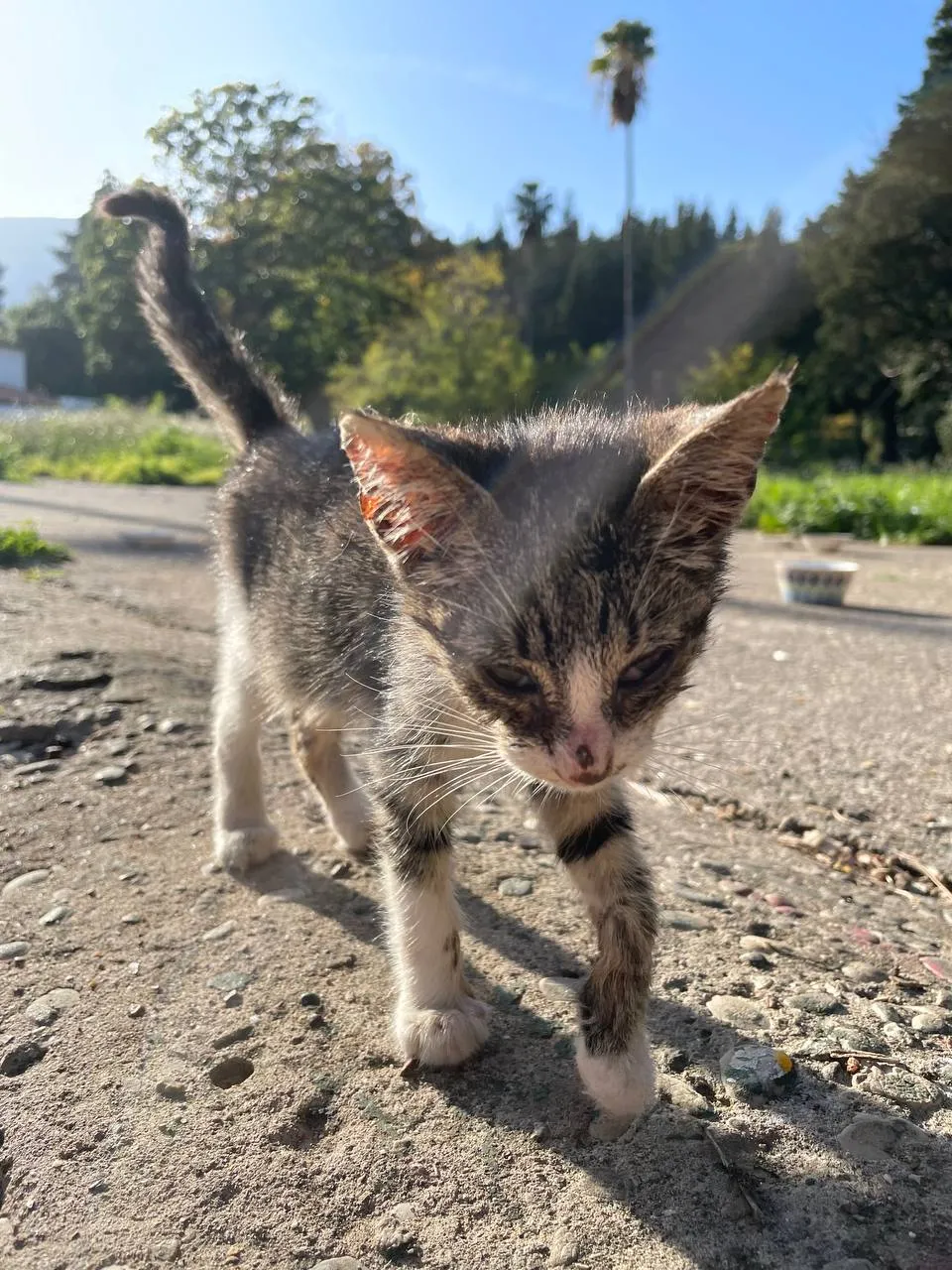
Checks and tests to make before adopting a stray animal in Montenegro
So, you decided to adopt for a stray kitty or dog - great! We have some recommendations for you which will be also useful if you wish to foster an animal for a bit while you are searching for a new home for them.
The checklist of things to do will depend on whether the animal looks healthy and if you already have pets at home.
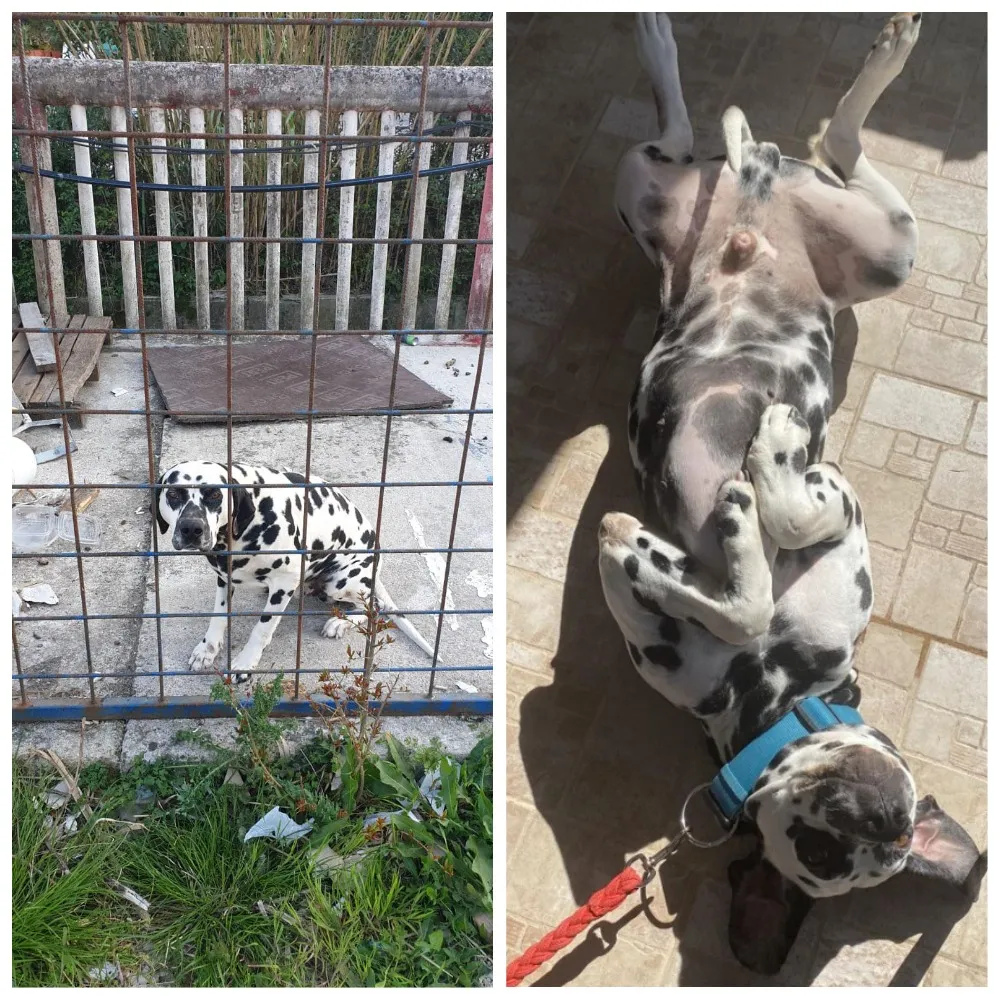
That's how all the grief in the world (when you are abandoned by the owner and brought to the shelter) and all the happiness in the world (when you found a loving home) look like. Marshal the Dalmatian in distress turned into Marshal the Sweet Love and Wonderful Friend. Adopt don't shop. That's all we gonna say here.
🐾 IF THE ANIMAL LOOKS HEALTHY AND THERE ARE NO OTHER PETS AT HOME:
- 1. In any case, first you need to take the animal to a veterinarian for an examination. You can find the nearest veterinarian clinic in Montenegro in this list. Prices at different clinics vary, but in average an examination costs €10-20.
❗️ Tests to make will depend on the animal:
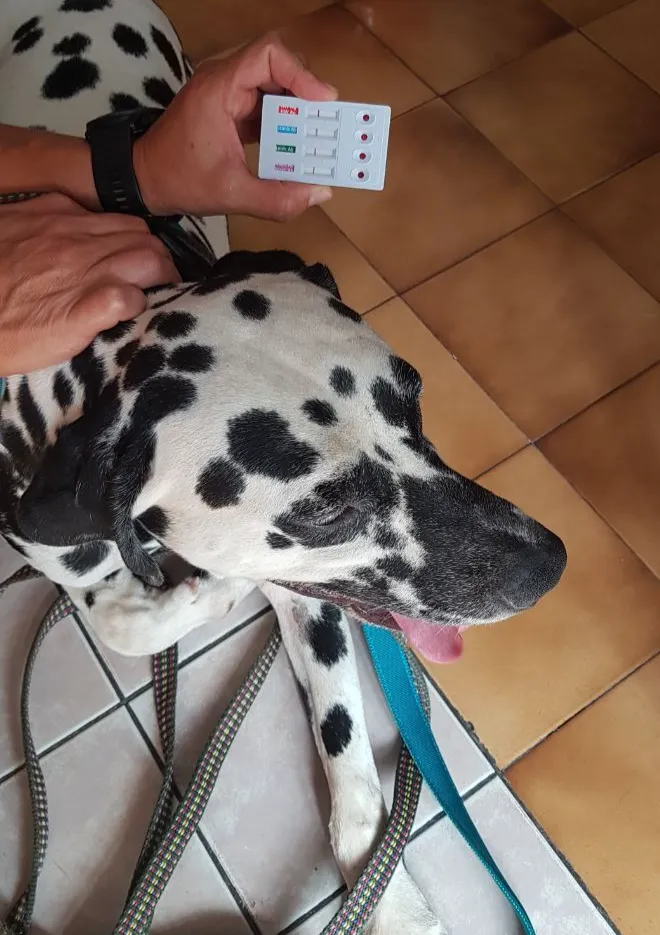
🐶 Dogs:
• It’s highly desirable for adult dogs to have a 4D test (for parasitic diseases including dirofilariasis and leishmaniasis)
• Puppies must have (for adult dogs you can ask for it too) a test for distemper (Куга месоjeda/Kuga mesojeda), parvovirus (Парво/Parvo) and panleukopenia (Панлеукопениja).
The PCR-analysis is more accurate than the ELISA-test and will show the early stage of disease. However, you need to check with the clinic whether they are performing a PCR test. If not, ELISA will do.🐱 It's a bit more complicated with cats:
• Express tests for calicivirus (FCV) and Herpesviridae (FHV, herpes virus) don’t exist in Montenegro.
• An express test for panleukopenia will be informative only during the active phase of the disease. During the incubation period the result may be negative.
Therefore, if possible, make a PCR test or a general blood test to identify indicators of this disease (if the clinic’s equipment allows it).
If the cat doesn’t look sick (doesn’t have any visible symptoms of illness), you don’t need to do any extra tests, but a quarantine period is extremely important (read more about it below).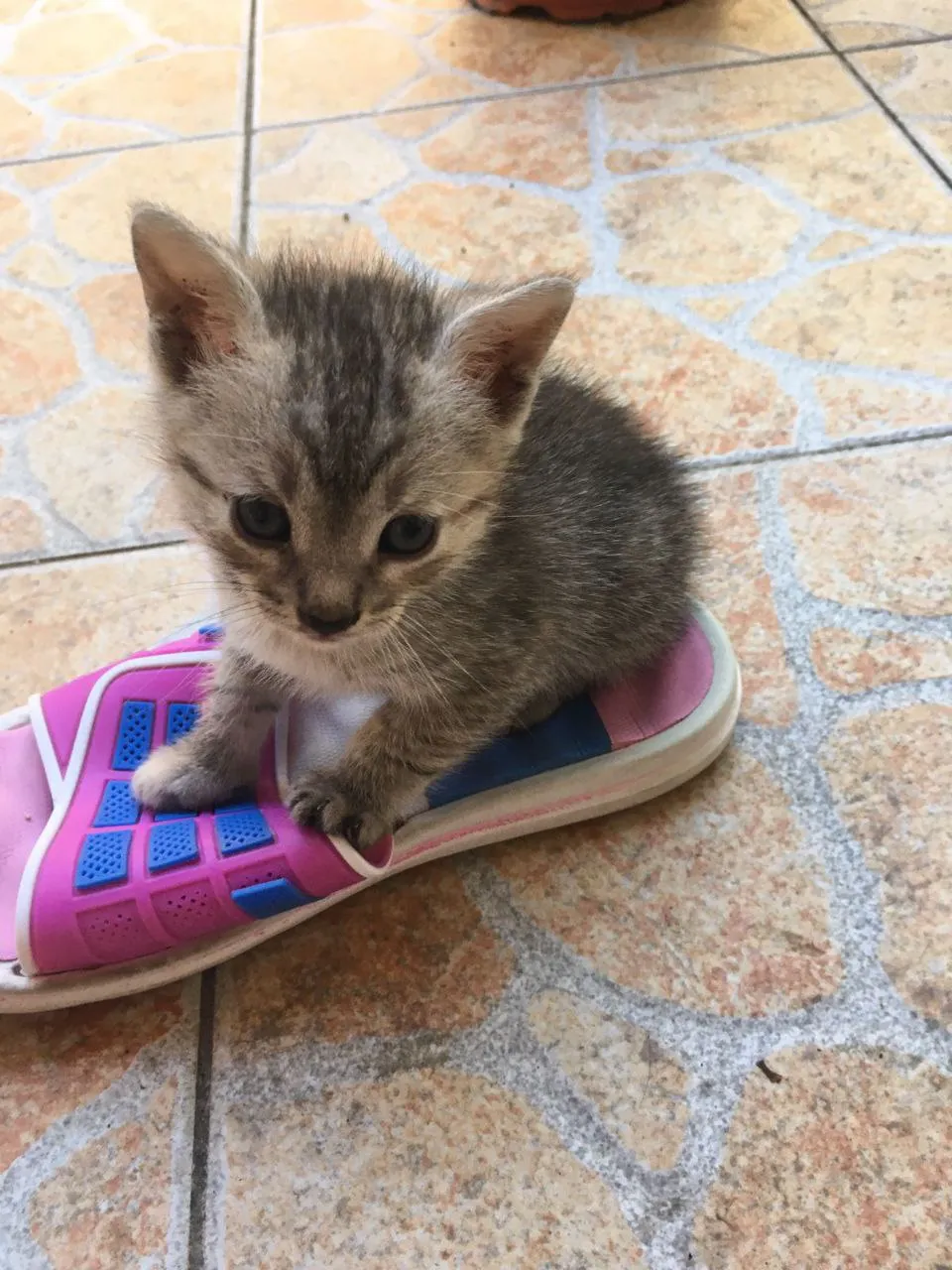
2. If the veterinarian concludes that everything is in order, the next step is treatment for external and internal parasites. Even if it seems that there is no one living on the animal, you need to do it :)
The treatment can be carried out by the veterinarian at the clinic during the examination or you can do it yourself at home by buying medications at the clinic or a pet shop.
3. The most important stage is a two-week quarantine.
Even if the animal looks healthy, quarantine is required, because during this period infectious diseases that may have been in the incubation stage when you met the animal, may manifest themselves. So, you need to wait a couple of weeks and observe the animal's health condition. Should any signs of illness suddenly appear, you need to go to the vet clinic again.
While you have an unvaccinated animal on the quarantine at home, you also need to take precautions and carefully contact with other stray animals. Please make sure that your pet does not contact with your shoes - some viruses can be brought home from the street even on the soles.
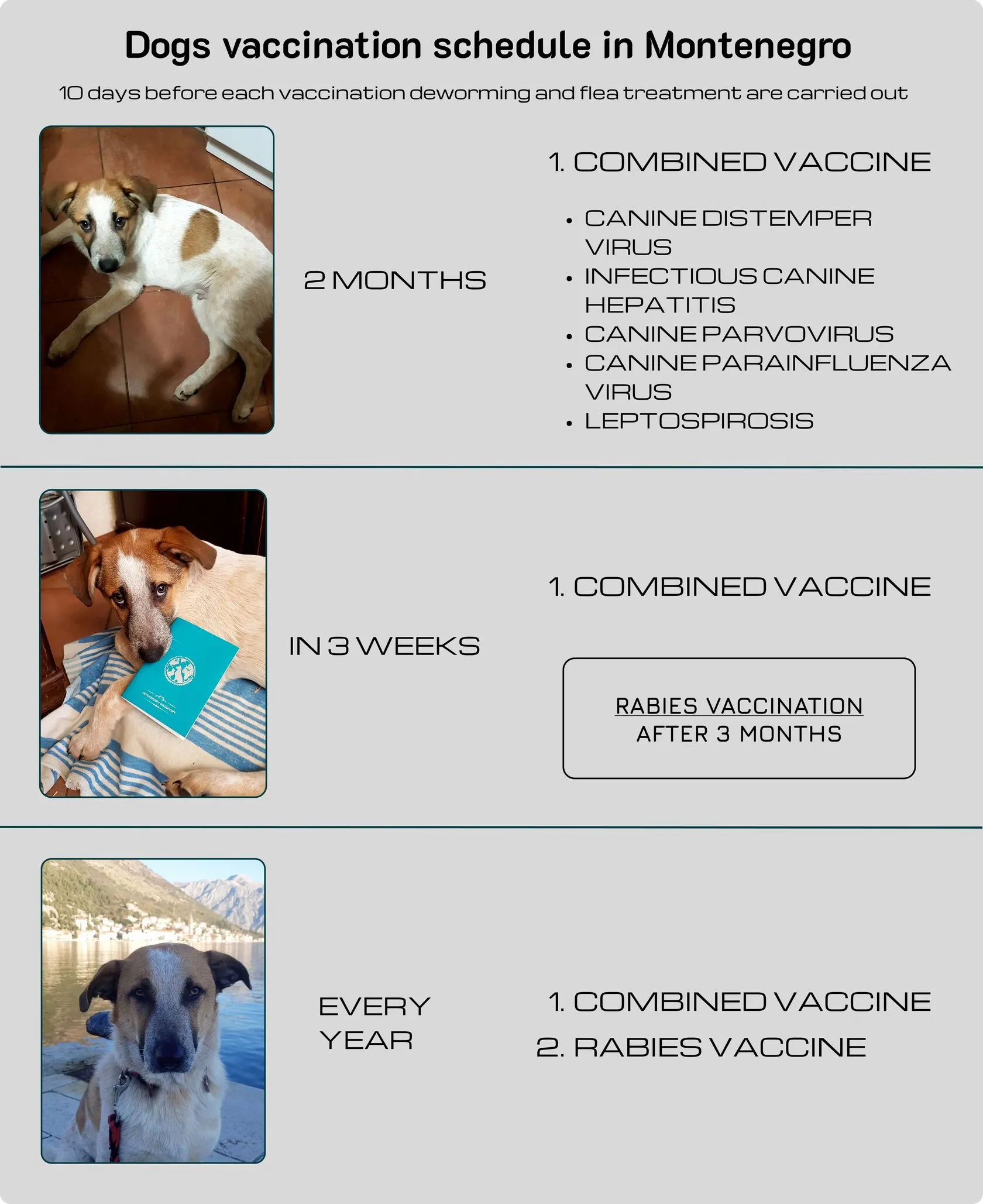
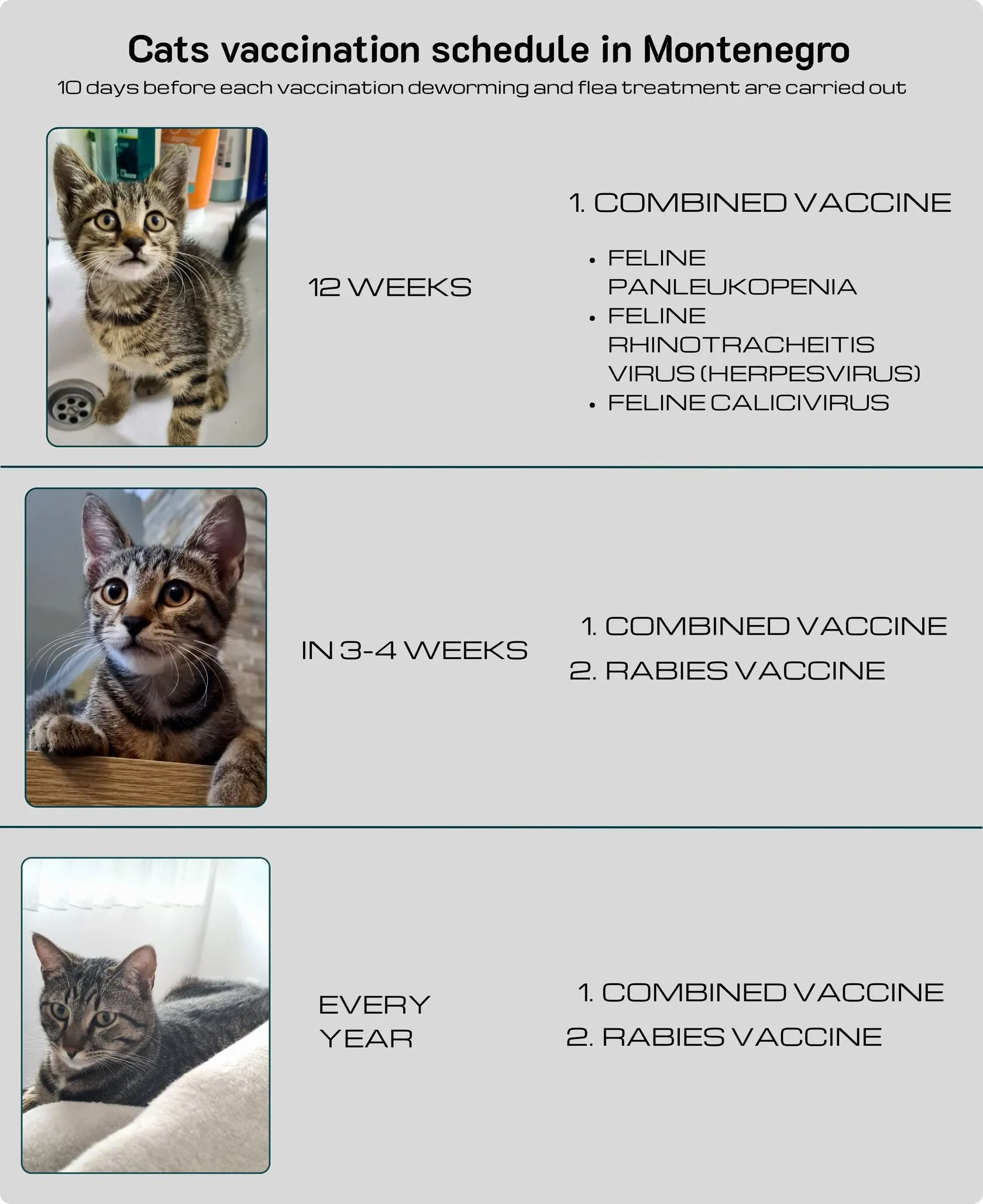
4. After a successfull quarantine period you can start looking for a new home for the animal. Or if you decided to adopt it by yourself, it’s time to deal with vaccinations (see the schedule below) and (pet documents).
❗️ We also recommend to spay/neuter the animal according to its age and health condition.
🐾 THE ANIMAL LOOKS HEALTHY AND YOU HAVE OTHER PETS AT HOME:
1. In addition to the examination at the vet clinic you need to make some tests:
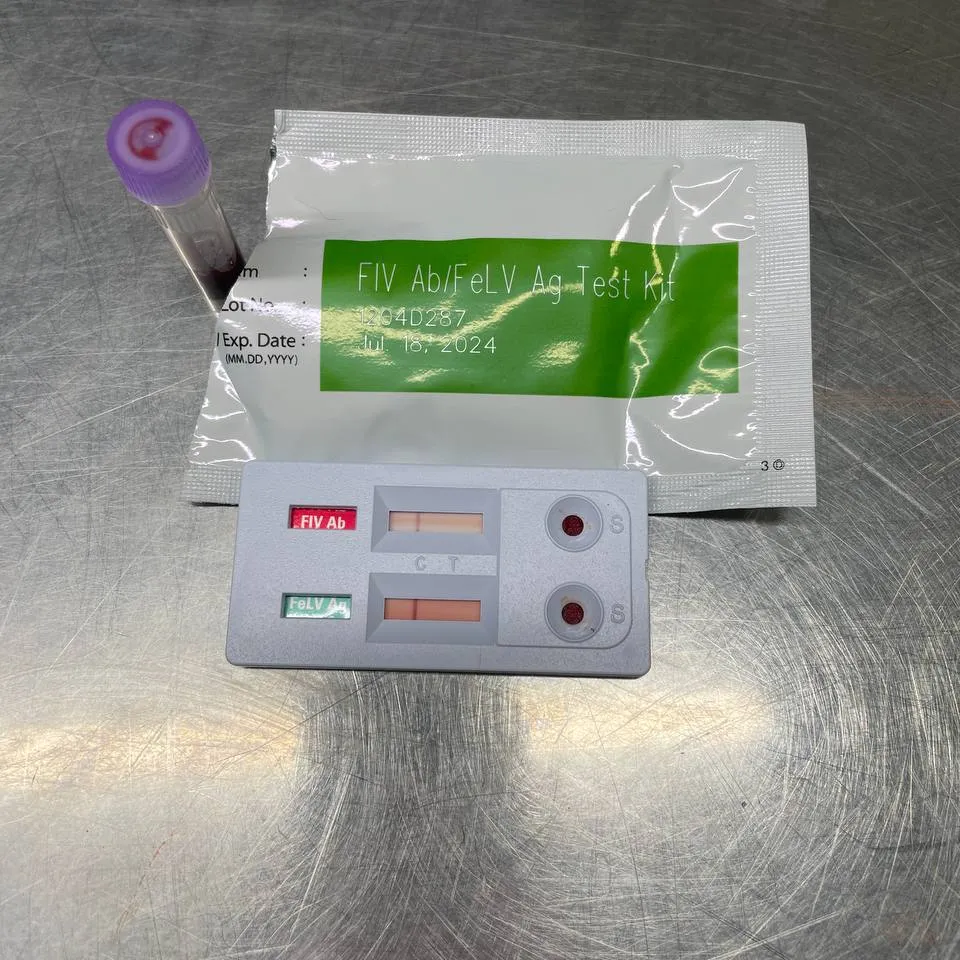
• for cats: - an express-test for chronic infections (Feline immunodeficiency virus and feline leukemia virus - FIV and FeLV). These diseases are not curable, the animal remains a carrier of the disease and may infect other pets.
• for dogs: - blood-urine-stool tests to detect infectious diseases (including infectious hepatitis). In their presence, the new animal may infect other pets.
2. Treatment for external and internal parasites based on the animals age and condition of heath.
- 3. Quarantine for 2 weeks. As we've mentioned earlier, infectious diseases may appear within 2 weeks, so this period is extremely important! The new animal should be kept in a separate room/area, it should have its own food bowls, litter box and pet bed. You should also wash your hands after any contact with the animal, preferably change your clothes and shoes. And of course, we hope that your other pets at home are vaccinated!
- 4. After a successful quarantine it’s time to deal with the pet documents and vaccinations..
- 5. You can also start introducing the new animal to your pets. This should be done gradually and correctly. Seek the help of a animal psychologist, dog trainer or feline specialist if you need it.
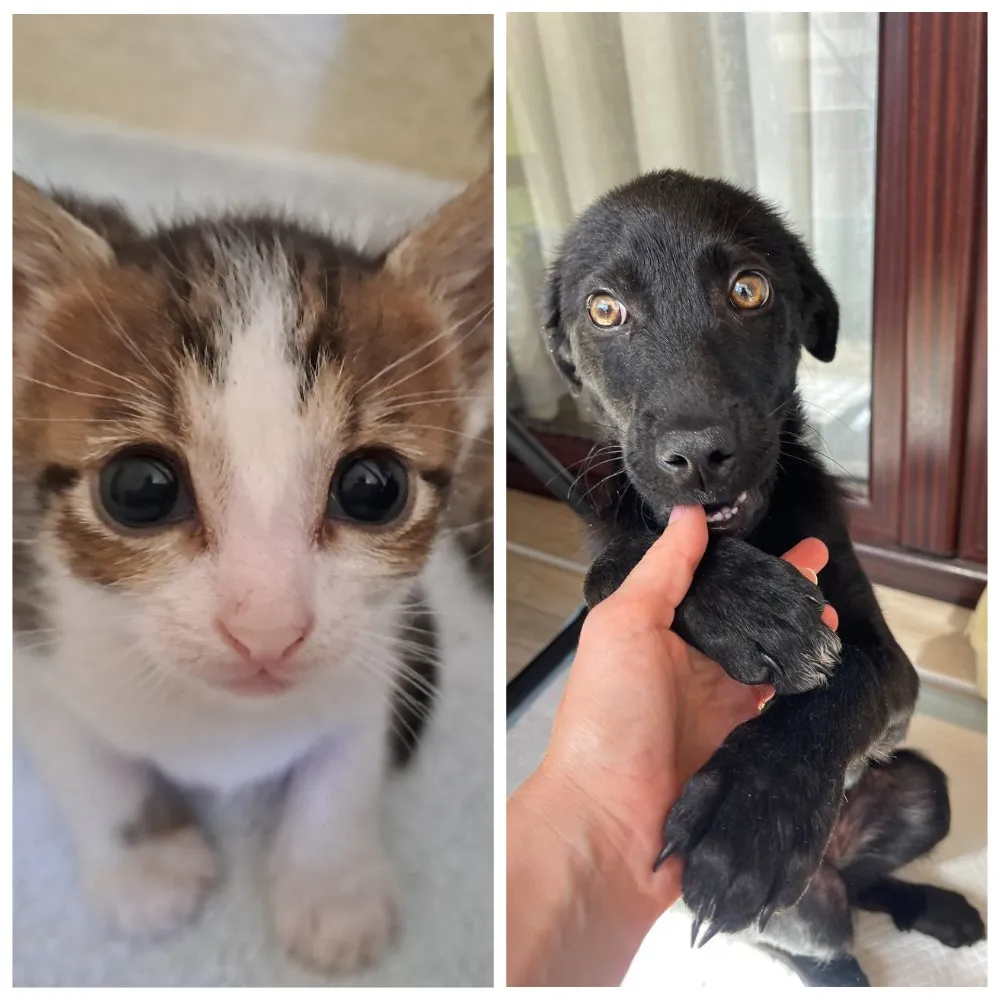
These two cuties are healthy-looking - there is no discharge from the eyes or nose.
🐾 THE ANIMAL LOOKS UNHEALTHY
❗️ Rush to a vet clinic for an examination. A doctor will complete the necessary tests and prescribe treatment. Based on the results, you will need to assess your ability to treat and care for the animal. If you have other pets at home, it will be absolutely necessary to ensure separate accommodation during the treatment and quarantine period, and maybe find a foster care for the new animal.
❗️ If the animal has clear signs of illness (apathy, refusal to eat and drink, diarrhea), be extremely careful! In this case, use a disposable carrier if possible (it can be a cardboard box), a fabric carrier (that you can burn afterwards) or a plastic carrier (that will need to be thoroughly cleaned with special cleaning products and not used for other animals for some time).
Unfortunately, there is no cure for a number of highly contagious diseases, only symptomatic treatment and supportive care, but still there are successful cases of full recovery!
Everything that will be in contact with the animal with confirmed panleukopenia virus, canine parvovirus and canine distemper will need to be throughly cleaned (for example, with Ecocidum C) or burned.